Is It Worth Going To Puerto Plata?
A verdict on Puerto Plata for visitors, with the 27 Waterfalls of Damajagua as the strongest reason to go, plus costs, timing and the downsides.
Puerto Plata province holds the single most concentrated adventure day on the Dominican north coast: the 27 Waterfalls of Damajagua, a canyon of jump pools and rock slides run by a community guides' association together with the Ministry of Environment. The city around it, a historic port town with a malecon, a colonial fort and a cable car mountain behind it, is quieter and less polished than the brochure version of the Caribbean. That combination is exactly why the question deserves a straight answer rather than a slogan, and 27 Waterfalls Dominican Republic exists to give one: the waterfalls day is the anchor, and everything else in the region is judged by how well it fits around it.
Yes, for most travelers who want an active day rather than a beach-only resort week, Puerto Plata is worth the trip, and the reason is the Damajagua canyon. A guided waterfall run costs from about $45 to $95 per person depending on the package, and the drive from the city center to the park entrance is about 28 minutes in free-flow traffic. Travelers whose priority is luxury beach time may prefer Punta Cana instead. If you'd rather turn the canyon run into a full day, our guide to pairing the Damajagua waterfalls with the Monkeyland reserve walks through real tour options, timing, and whether the combo is worth the money.
The honest framing is this: Puerto Plata is not a destination that impresses on arrival. The city center is working-class and lived-in, the malecon is pleasant rather than spectacular, and several of the headline attractions have real limitations, which this article covers plainly below. What the province does have is a cluster of genuinely distinctive experiences packed into a short radius. The waterfalls, the fort, the amber and cigar traditions of the region, and two cruise terminals feeding a mature excursion industry all sit within about half an hour of each other.
For cruise passengers the verdict is easier still. A port day in Puerto Plata is one of the better adventure port days in the Caribbean, because the canyon is close enough to reach, run and return from comfortably inside a typical call. Port excursions from Amber Cove and Taino Bay run about 3 hours 40 minutes to 6 hours in total including the transfer each way, and one listing on this site, Waterfalls of Damajagua from Puerto Plata, covers the 7 falls with hotel pickup from $74.99 per person. If the question is whether the port stop justifies itself, the waterfalls answer it on their own. If you want a fuller plan for the rest of the call, the Puerto Plata cruise port day guide adds Ocean World, Fort San Felipe and beach time to the waterfall run.
For stay-based travelers the calculus depends on what the rest of the trip looks like. Puerto Plata works as a two or three night base: one day for the canyon, one for the coast at Sosua or Cabarete, and a half day for the city itself. It works less well as a single-beach week, because Playa Dorada, the main resort strip, is functional rather than stunning, and the Atlantic here is rougher than the Caribbean side.
Why The Waterfalls Day Carries The Whole Verdict
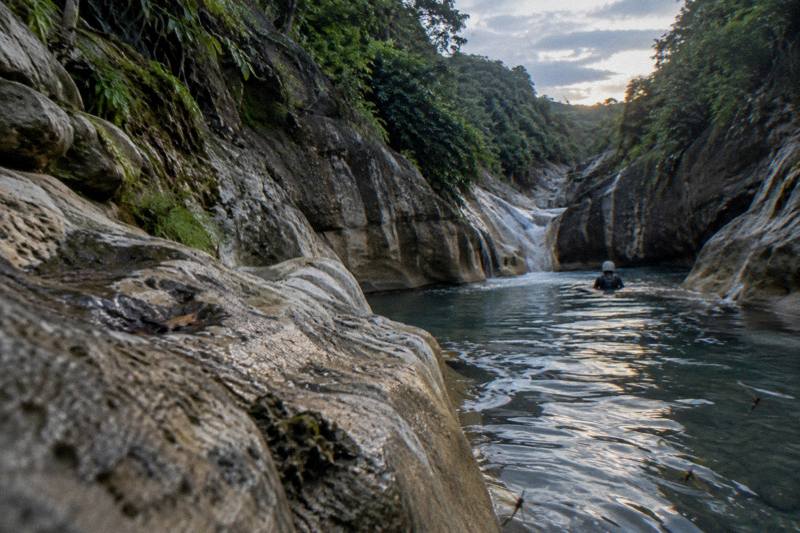
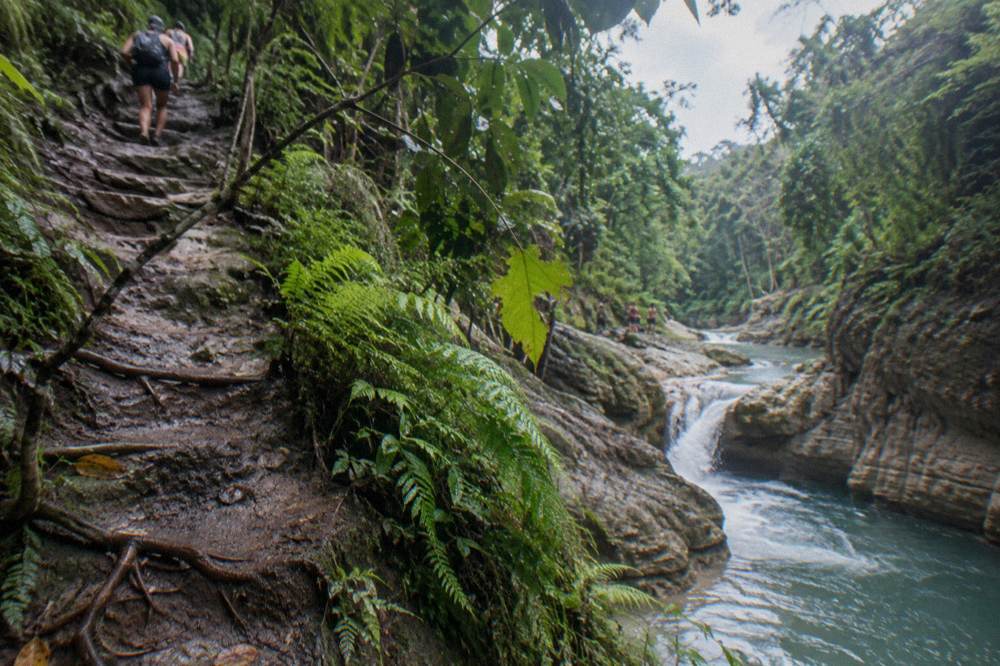
The 27 Waterfalls of Damajagua are the strongest single reason to visit the province, and the experience is unusual enough to justify travel on its own. Visitors hike 30 to 60 minutes up through forest, then descend a limestone canyon by sliding and jumping through a chain of pools, always with a mandatory certified guide, helmet and life jacket. Circuits covering 7, 12 or all 27 falls are sold.
That description undersells it, because the thing that makes Damajagua special is not any single fall but the structure of the day. It is a physical, wet, slightly scary adventure that a reasonably fit first-timer can complete safely, which is a narrow lane very few Caribbean attractions occupy. The canyon is a protected Natural Monument, declared in 2004, and it is managed under co-management between the Ministry of Environment and the local guides' association, so a share of every entrance fee stays in the surrounding communities. Local guides began organizing expeditions here in the late 1990s, and the operation has matured into a regulated system with age minimums, gear rules and river-level protocols.
The practical numbers matter for the verdict. The 7 falls circuit, the one most tours run, takes about 2.5 to 3 hours on the mountain. The full 27 takes 4 to 5 hours and is a genuinely demanding day; the last entry for it is around 1:30 PM and is described as strictly enforced. Age minimums are 8 for the first 7 falls and 12 for the longer circuits, though travelers should confirm the current rule with their operator. The park is open daily from about 8:30 AM to 4:00 PM, and gate entry costs roughly RD$600, RD$900 and RD$1,200 for the three circuits, about US$11 to 21, cash only.
Most visitors do not go independent, and they are right not to. Organized tours from the Puerto Plata area run roughly US$60 to 95 per person and bundle transport, equipment, guide and often lunch, which removes the two real frictions of an independent visit: the cash-only gate and the logistics of Imbert. One tour on this page, Waterfalls of Damajagua from Puerto Plata, is a 3 hour shared option rated 4.3 from 21 reviews, from $74.99 per person, with hotel pickup and drop-off, a professional guide and bottled water listed. Before you book, the Damajagua reviews breakdown covers what past visitors actually said about the excursion.
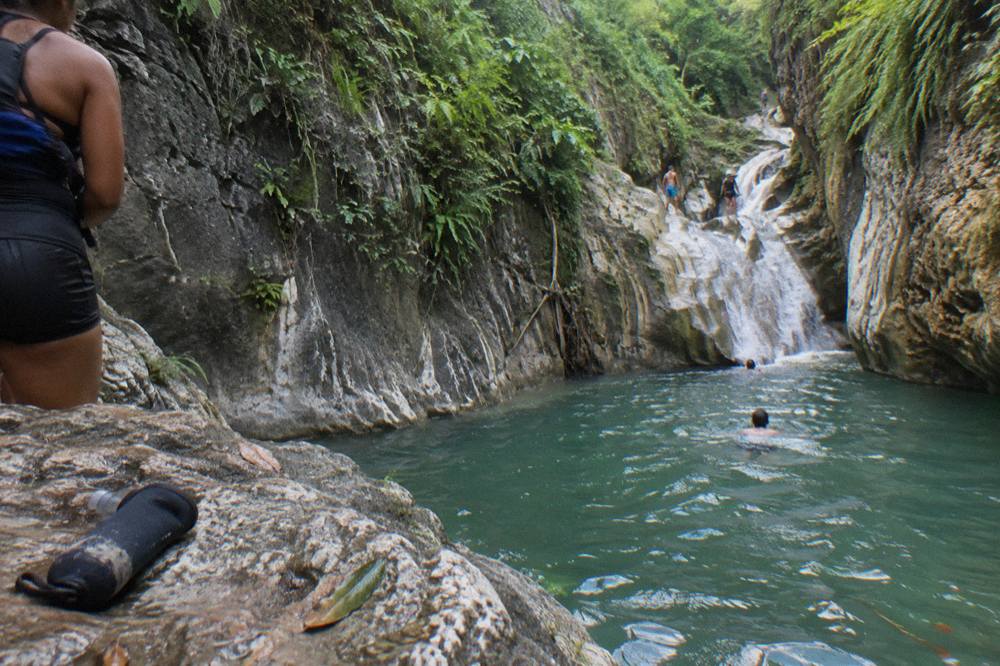
One warning that belongs in any honest verdict: the river decides. The Damajagua river rises fast after rain in the mountains upstream, even when the site itself is sunny, and rangers close the upper falls first and shut the river entirely when it runs brown. Reopening typically comes 12 to 24 hours after rain stops. The dry season, December to April, is the safest window, and hurricane season runs June 1 to November 30, with the highest tropical-storm risk in September and October. Anyone whose whole trip hinges on the canyon should build in a fallback day, and the full picture is in do the Damajagua waterfalls close when it rains.
Travelers who want the city folded into the same day have a specific option worth naming. Short Excursions City Tour and 27 Waterfall Damajagua, rated 4.8 from 25 reviews and from $70 per person, pairs the canyon with a Puerto Plata city tour in a 2 hour listed format with private transport, bottled water and WiFi on board; lunch is not included, so budget for it separately.
What Puerto Plata Offers When You Are Not In The Canyon
Beyond the waterfalls, Puerto Plata's supporting attractions are real but uneven: Fortaleza San Felipe is a genuine stone fortress on the waterfront, Ocean World is a full day-pass adventure park open daily 9 AM to 6 PM, and the beaches at Sosua and Cabarete are within an hour. The Teleferico cable car, one of the city's famous sights, is closed for reconstruction and not expected to reopen before 2028.
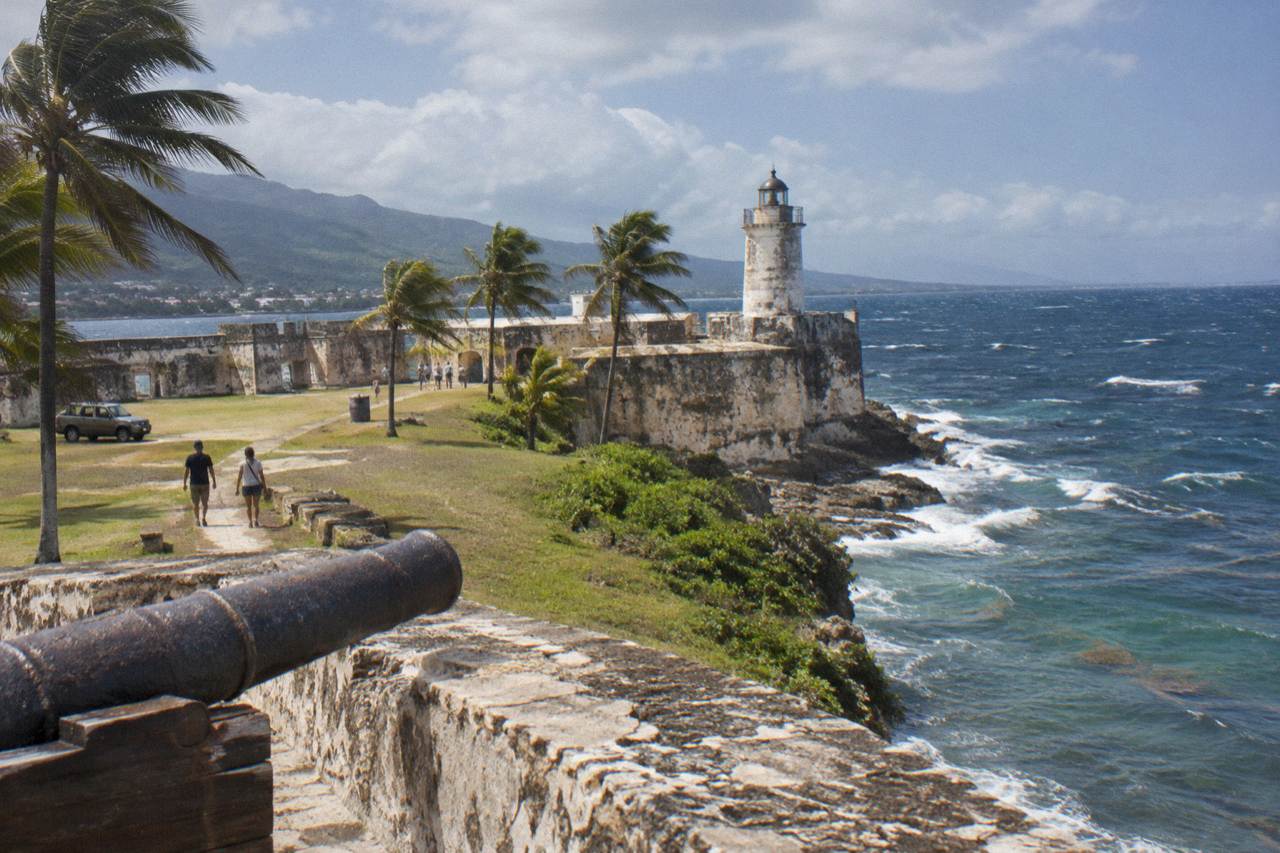
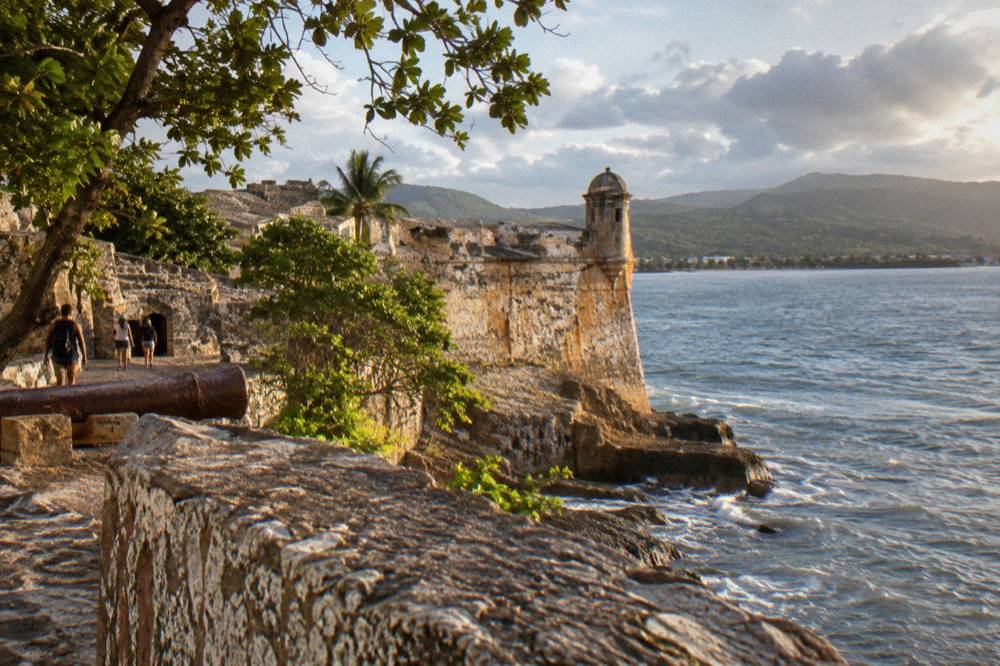
Start with the fort, because it is the easiest honest win. Fortaleza San Felipe sits at the entrance to the harbor, typically opens Tuesday to Sunday and costs only a couple of dollars to enter. It is small, atmospheric and visitable in under an hour, which makes it a natural stop on the way back from Damajagua rather than a destination of its own.
Ocean World in Cofresi, about 24 minutes from the waterfalls turnoff, is the strongest paid half day for families. The park is open daily, rain or shine, and publishes a day pass at US$79 for adults and US$64 for children, with dolphin and other animal encounters priced separately. It is a short drive from both cruise terminals, which makes it the standard fallback when the river closes or when younger kids are under the 8 year canyon minimum. Current hours and encounter options are on the park's own FAQ page.
The Teleferico needs a clear warning, because plenty of older content still lists it as a top thing to do. The cable car up Loma Isabel de Torres has been closed since June 2024 after the existing system could not be certified, and reconstruction with a new bicable design began in October 2026, with reopening planned for the first quarter of 2028. The mountain itself remains reachable by road, but nobody should book a trip around riding the cable car before then.
The beaches complete the picture. Playa Dorada, about 33 minutes from the park entrance, is the main hotel strip. Sosua is about 57 minutes and Cabarete about 1 hour 11 minutes by car in free-flow traffic, and both are livelier and more scenic than the city beaches. Surf and kitesurf communities give Cabarete a character Punta Cana simply does not have, and the comparison runs in more detail in what is nicer Punta Cana or Puerto Plata.
The Honest Downsides Nobody Puts On The First Page
Puerto Plata has three real weaknesses travelers should weigh: seaweed and rough Atlantic conditions affect some beaches seasonally, the city's urban core is unpolished and short on nightlife compared with resort zones, and the waterfalls themselves can close on the day if the river runs high. None of these are dealbreakers, but each one has ruined trips for people who planned around brochures.
The Atlantic side is simply a rougher ocean than the Caribbean coast. Swimming conditions vary, red-flag days happen, and the sea is not the calm turquoise of postcards except in sheltered coves. Travelers whose non-negotiable is flat, swimmable, turquoise water should know that before booking.
The city itself is authentic in the way real Dominican towns are authentic, which means traffic, uneven sidewalks and a modest tourist infrastructure. The malecon is genuinely enjoyable at sunset, and the Victorian quarter has character, but a visitor expecting a restored colonial showpiece like some Caribbean capitals will be disappointed. Nightlife exists; it does not rival the resort zones.
The third weakness is covered above but deserves its place in the ledger: the canyon is weather-dependent in a way a fort or a park is not. The park's own guidance is clear that upstream rain can close sections with little notice and rangers' decisions are final. The mitigation is scheduling: put the waterfalls on the first full day, not the last, so a rainout can be retried.
| Weakness | What it actually means | Practical mitigation |
|---|---|---|
| Atlantic sea conditions | Waves and currents on open beaches; occasional red-flag days | Use sheltered coves and lifeguarded stretches; check flags daily |
| Unpolished city core | Real working town, limited nightlife and glossy restoration | Treat the city as a half day, not the trip's centerpiece |
| Weather-dependent canyon | Upper falls or the whole river can close after rain | Book the canyon early in the stay; keep Ocean World or the fort as fallback |
| Cable car closed | No Teleferico rides until about 2028 | Visit the fort and malecon instead; reach the mountain by road if wanted |
None of these change the core verdict, because none of them touch the canyon. They matter most to the traveler choosing between Puerto Plata and an all-inclusive week elsewhere, and for that traveler the trade is clear: less polish, more adventure.
When To Go And For How Long
The best window is the dry season, December to April, when the river runs clearest and closure risk is lowest; the wet season, May to November, brings more forceful water but a higher chance of partial or full closure, especially in September and October. The right length of stay is two or three nights for land travelers, or a single well-chosen excursion for cruise passengers.
Crowd timing matters almost as much as season. Cruise groups from Amber Cove and Taino Bay arrive mid-morning, and the standing advice for independent visitors is to arrive before 9 AM to get ahead of them. October 2026 illustrates the scale: the two terminals were scheduled for 38 cruise calls that month, 18 at Amber Cove and 20 at Taino Bay, so on port days the first pools get busy by late morning. The port's capacity is real; Taino Bay, inaugurated in December 2021, can berth three ships at once, per the port's documented history.
Seasonal storm math is worth one paragraph of honesty. The Atlantic hurricane season officially runs June 1 to November 30, per the National Hurricane Center's climatology, and the highest tropical-storm risk on the north coast falls in September and October. That does not make those months unvisitable; it makes them the months to buy refundable arrangements and to check the cancellation terms on any listing before booking. The park's month-by-month patterns are laid out in best time to visit Damajagua waterfalls.
For stay-based travelers, the shape of a good Puerto Plata visit is short and dense. Night one, arrive and settle. Day one full day, the canyon in the morning and the fort or malecon in the late afternoon. Day two, Sosua or Cabarete, or Ocean World with kids. Stretching to a week only makes sense with a kitesurf or Spanish-school style purpose, or a very slow beach tempo.
How To Build The Day That Makes The Trip Worth It
A winning Puerto Plata day costs roughly $45 to $110 per person through an organized tour, starts before 9 AM, spends 2.5 to 3 hours in the canyon on the 7 falls circuit, and adds the fort or the malecon afterward. Cruise passengers should pick an excursion listing free cancellation and a duration that fits the ship's all-aboard time; hotel guests should confirm pickup coverage before booking. If the tour prices stack up faster than you would like, our guide to free and cheap things to do in Puerto Plata covers beaches, walks, and viewpoints that cost little or nothing.
The choice between tours comes down to three variables: departure point, group size and inclusions. Port listings depart Amber Cove or Taino Bay; hotel listings cover Puerto Plata properties, and some explicitly exclude Sosua and Cabarete pickup, so checking the listing's pickup terms is not optional. Inclusions differ sharply even at similar prices: some listings include gate entry and lunch, others leave one or both out. Reading the inclusions line on each listing is the single highest-value two minutes of planning this trip requires.
Families and cautious swimmers have a reason to look closely at the private-vehicle options. Damajagua Waterfalls Tour with Lunch, from $65 per person and rated 4.3 from 35 reviews, lists two experience choices on the mountain: a family-friendly slow hike of about 20 minutes with optional slides, and a longer adventurous hike with mandatory slides. The tour itself runs with other guests, but the vehicle ride from the cruise ports or nearby resorts stays private, with a local guide along. Being able to choose your circuit intensity is the main thing this listing adds.
Fitness and confidence requirements deserve the last word, because they are where the verdict differs by person. The day involves a 30 to 60 minute uphill walk, then descents through water with jumps and slides of varying height, and guides choose the entry point. The life jacket does the floating. Participants still need to be comfortable in water and able to walk on uneven wet ground, and the park excludes visitors with heart problems, recent back injuries or pregnancy. Age minimums are 8 for the first 7 falls and 12 for the longer circuits; ask the operator about height and weight limits. Full detail is in Damajagua waterfalls difficulty and fitness and Damajagua waterfalls with kids and age limits.
| Trip style | Best-fit tour type | Rough per-person cost | Key thing to verify on the listing |
|---|---|---|---|
| Cruise port day | Shared port excursion, 3.5 to 6 hours | From $44 to $95 | Pickup at your terminal; fits all-aboard time |
| Hotel stay, first visit | Shared tour with lunch and entry | From $55 to $80 | Pickup covers your hotel area; entry included |
| Family with kids 8 to 12 | Smaller group or private, 7 falls only | From $65 | Circuit limited to first 7 falls; family pace |
| Fit travelers wanting all 27 | Small-group or private, full circuit | From $75 | Start early; last entry around 1:30 PM |
The final ledger, then: Puerto Plata rewards travelers who want one extraordinary physical adventure and are content with honest, unglamorous surroundings around it. Punta Cana wins on beaches and polish; Puerto Plata wins on the canyon, and the canyon is the experience people still talk about years later. For most visitors weighing the question, that settles it.
Common Questions About Puerto Plata
Is It Worth Going To Puerto Plata, Dominican Republic?
Yes, if the trip includes the 27 Waterfalls of Damajagua. The canyon is a genuinely distinctive adventure, reachable in about 28 minutes from the city center, with organized tours from roughly $45 to $110 per person. Travelers wanting only calm beaches and polished nightlife may prefer Punta Cana.
Is It Worth Getting Off The Ship In Puerto Plata?
Yes, and the waterfalls are the reason. Port excursions from Amber Cove and Taino Bay run about 3 hours 40 minutes to 6 hours round trip, comfortably inside a typical call. The full argument, with timing detail, is in the article on whether it is worth getting off the ship.
Is It Worth Going To Puerto Plata?
For a two or three night active stay, yes: one canyon day, one coast day at Sosua or Cabarete, and a half day for the fort and malecon. For a single-beach luxury week, usually no; the Atlantic here is rougher and the resort strip is modest.
Is Puerto Plata Worth Visiting For Tourists?
Yes, with managed expectations. The highlights are the waterfalls, Fortaleza San Felipe, Ocean World for families, and the north coast beaches. The Teleferico cable car is closed for reconstruction until about 2028, so discount it from older lists.
Is Puerto Plata Cruise Port Worth Visiting?
Yes. Amber Cove and Taino Bay sit about 20 and 30 minutes from the waterfalls respectively, and the excursion infrastructure is mature, with listings from $44 per person and free cancellation on many options. Book ahead rather than shopping at the pier.
How Much Does A Puerto Plata Waterfalls Day Cost?
Organized tours run roughly $45 to $110 per person depending on group size and inclusions. Independent visitors pay the gate directly, roughly RD$600, RD$900 or RD$1,200 for the 7, 12 and 27 fall circuits, about US$11 to 21, cash only, plus transport and a few dollars for lockers and shoe rental on arrival.