What Are The Top Things To Do In The Dominican Republic?
A country-level answer for travelers building a Dominican Republic itinerary, from the 27 waterfalls of Damajagua to the beaches and forts of the north coast.
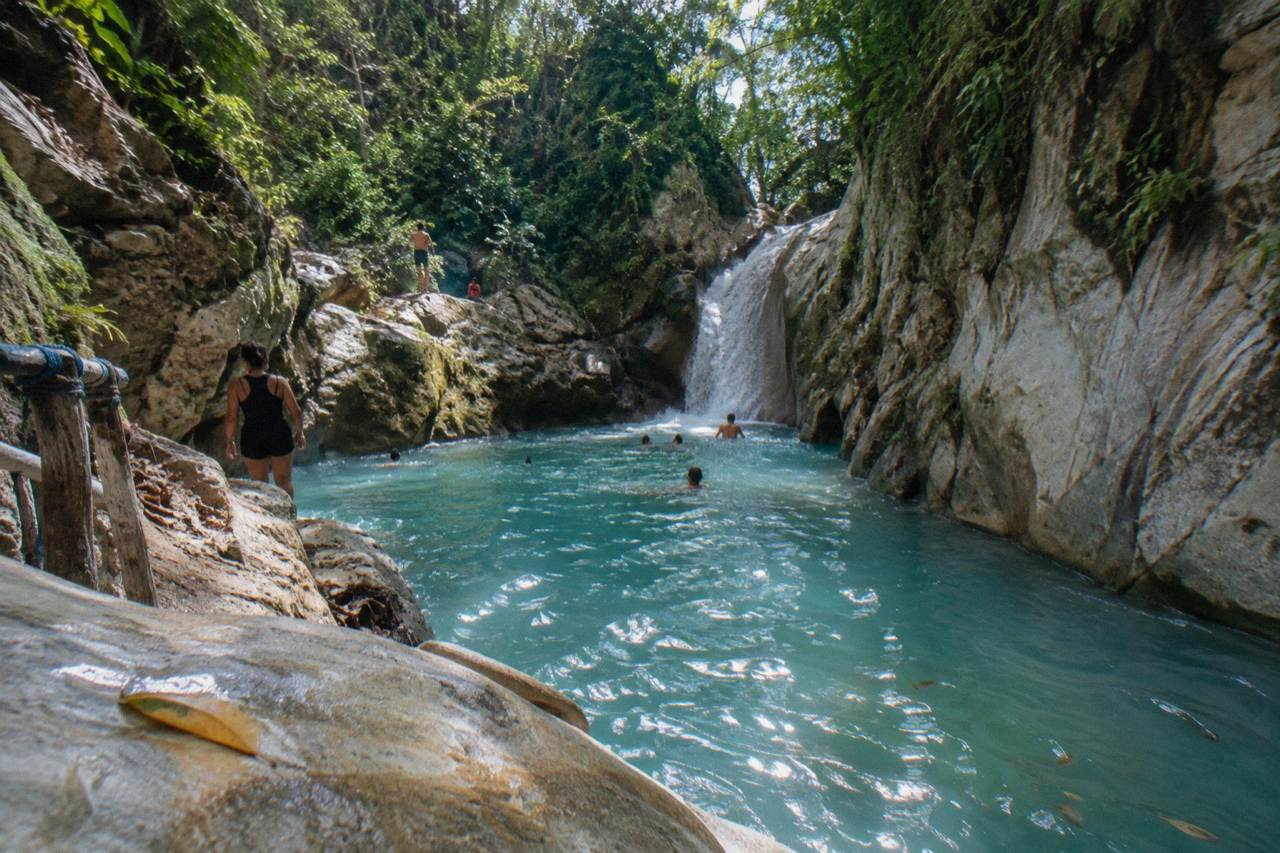
The top picks are the 27 Waterfalls of Damajagua, a guided canyon of jumps and natural slides about 30 minutes from Puerto Plata, followed by the beaches of Sosua and Cabarete, Puerto Plata's colonial streets and seafront, seasonal whale watching at Samana, and the resorts of Punta Cana. For active travelers, Damajagua is the one day trip on nearly every list, with full tours around US$60 to 95 per person covering transport and usually lunch.
The Dominican Republic is a large country by Caribbean standards, and that size is the reason itineraries get complicated. The resorts of Punta Cana sit on the far eastern tip, about five hours of driving from the waterfall canyons of the north coast, so a week in one region rarely overlaps with a week in another. Most visitors pick a base and build outward. If you end up basing yourself on the north coast, our guide to the country's most famous waterfall attraction explains how the canyon descent actually works and what to expect from a trip there.
What the north coast base gives you is density. From Puerto Plata you can reach the 27 waterfalls, a historic Spanish fortress, a major marine park, surf beaches and cocoa plantations inside a single day's radius. That concentration is rare in a country better known for sprawl, and it is why so many cruise itineraries and independent trips route through Puerto Plata rather than treating it as a pass-through.
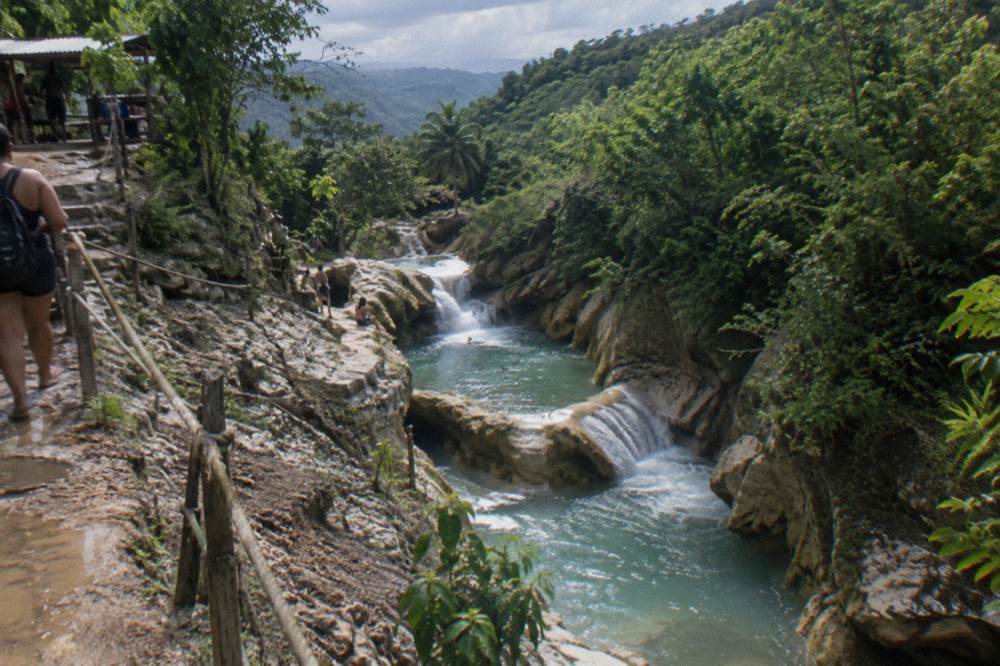
The waterfalls themselves are a natural monument, protected since 2004 and run as a co-management between the Ministry of Environment and the local guides' association from the surrounding villages. Visitors do not wander in alone: a certified guide, helmet and life jacket are part of entry, and the experience is a descent through pools, slides and jumps of varying height rather than a viewpoint you photograph and leave. If you want the full background before committing a day, the Damajagua waterfalls complete guide covers the circuits, gear and logistics in detail.
Why The Waterfalls Anchor A Dominican Shortlist
Damajagua earns its place because it is genuinely singular: a canyon of 27 waterfalls and pools you descend by sliding and jumping, with mandatory guides, helmets and life jackets built into the entry, roughly 30 minutes inland from Puerto Plata. Gate entry costs roughly US$11 to 21 depending on the circuit, cash only, and organized tours with transport and mostly lunch run from about $44 per person upward on the current rosters.
Plenty of Caribbean islands have beaches. Very few have a river canyon where you can spend three to five hours moving downhill through water, and none package it with the community structure Damajagua has: local guides from the villages around Imbert, trained and certified, whose association co-manages the site with the environment ministry. A share of every entrance fee funds the community and the canyon's protection, so the money you spend at the gate stays unusually close to the place you visited.
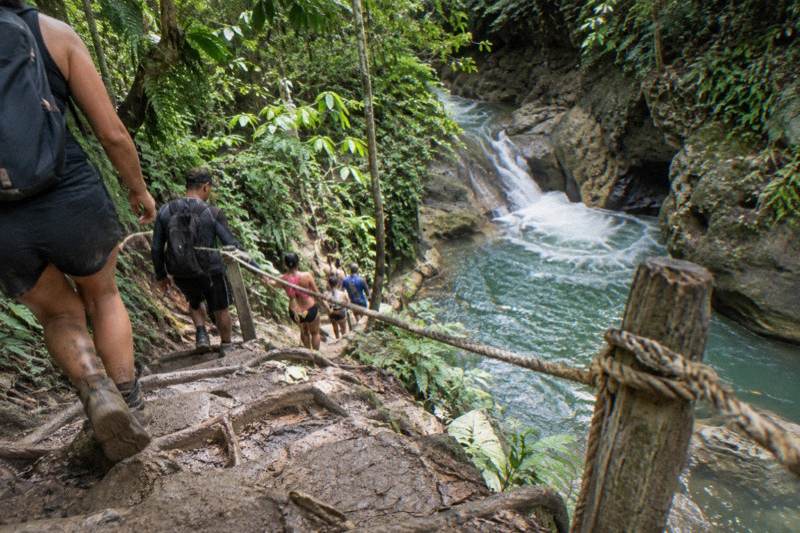
The three circuits sold at the gate, 7, 12 or all 27 waterfalls, let you calibrate the day. The first seven are the most common choice and suit families with older children and anyone new to canyoning; the full 27 is a long, demanding day for fit travelers, typically four to five hours, with a last entry around 1:30 PM that the park describes as strictly enforced. A 30 to 60 minute uphill walk through forest comes before any of the water, so this is a hiking day as much as a swimming day.
Worth knowing before you plan: the river closes when it runs brown. Rangers decide on the day based on water color and flow, closing upper falls first and shutting access entirely after heavy rain, usually reopening within 12 to 24 hours once the level drops. The rain and closures explained post covers how that works in practice.
One mid-range option keeps things simple: the Damajagua Waterfalls Adventure Tour With Lunch Included, from $60 per person, 4.4 from 18 reviews, which lists hotel pickup, air-conditioned private transport, safety gear and lunch in its inclusions.
How To Fit The Waterfalls Into A Puerto Plata Day
The canyon entrance sits near Imbert on the road between Puerto Plata and Santiago. Free-flow drive times run about 20 minutes from Amber Cove, about 28 minutes from Puerto Plata center and Taino Bay, and about 57 minutes from Sosua, per routing data measured to the park entrance; traffic adds time, and cruise-ship days add more.
Independent visitors can drive or take a bus toward Imbert and hire a guide at the gate, but the timing arithmetic matters. The park is open daily from about 8:30 AM to 4:00 PM, arriving before 9 AM is the standard advice because cruise groups land mid-morning, and anyone attempting the full 27 needs to be inside well before the early-afternoon cut-off. The Damajagua waterfalls from Puerto Plata guide lays out the transport options, and there is a dedicated page for getting there from Sosua and Cabarete.
| Starting point | Free-flow drive to the entrance | Notes |
|---|---|---|
| Amber Cove cruise port | about 20 minutes | shared shore excursions typically 3.5 to 6 hours total |
| Taino Bay cruise port | about 30 minutes | three-ship days mean heavy mid-morning demand |
| Puerto Plata center | about 28 minutes | independent arrival possible, guide hired at gate |
| Sosua | about 57 minutes | add margin on cruise days |
| Cabarete | about 1 hour 11 minutes | earliest departures recommended |
| Punta Cana | about 5 hours each way | not a realistic casual day trip |
Cruise passengers have the tightest window and the easiest decision: a pre-booked excursion handles the transfer, the guide, the gear and the return timing against the ship's all-aboard. Puerto Plata's two terminals, Amber Cove in Maimon and Taino Bay by the old center, together handled 38 cruise calls in a single recent month, which is why mid-morning at the canyon can feel busy even in shoulder season.
For hotel-based travelers on the north coast, the calculation is looser but the same logic holds. A tour with pickup turns a half-day logistics puzzle into a single morning decision, and the roster of waterfall tours with hotel pickup spans from $45 entry-level outings to private versions. The Adventure at the Damajagua Waterfalls From Puerto Plata, from $45 per person, 4.9 from 28 reviews, is one of the cheapest guided days on the current listings, with air-conditioned transport, water and sodas included and lunch listed as excluded.
Waterfall Days That Bundle More Than Water
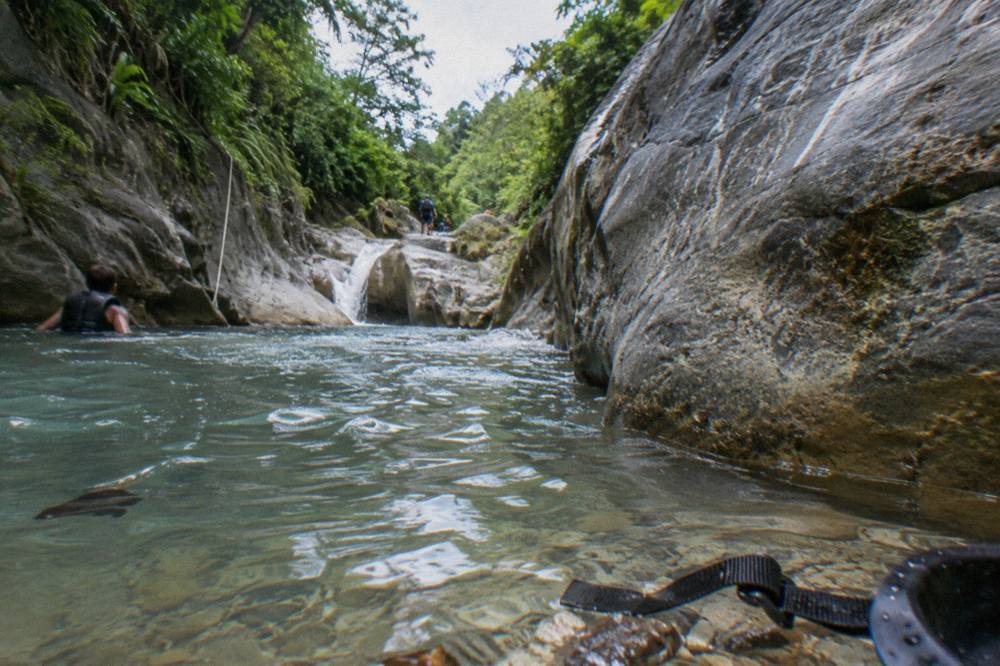
Combination tours are the efficient play in a big country: pair the canyon with a zipline, a monkey sanctuary or a city circuit and you bank two experiences in one transfer. On the current roster these combos run from $70 per person for a short city-and-falls excursion up to $130.50 for a five-and-a-half-hour day pairing the waterfalls with a full zipline circuit and lunch.
The logic is simple. The drive to Imbert costs the same whether you do one activity or two, and the zipline courses, the monkey sanctuary and Puerto Plata's city sights all sit in the same north-coast corridor. Families with teenagers tend to do best on the waterfall-plus-zipline pairings; travelers who want culture in the mix pick the city tour versions that fold in the historic center and seafront.
Ratings on the combos hold up. The Damajagua Waterfalls, Zipline with Lunch and Transfer listing carries 4.7 from 50 reviews at from $110 per person, with lunch, private transport, the zipline and the waterfalls all in its inclusions. The 7 Damajagua Waterfalls, Monkeys and City Tour Puerto Plata runs from $110 per person, 5.0 from 17 reviews, including the buffet lunch, both entrance fees and the city circuit. Both are shared-format products, so check the listing for group size and pickup details before booking.
Two caveats from the fine print. Combo listings differ in what they include at the gate: some bundle entrance fees, others leave them to the reader to verify, and the exclusions usually name gratuities and water-shoe or locker rental. And the city-tour legs sometimes pass the Teleferico, the cable car up Loma Isabel de Torres, which has been closed since June 2024 for a full reconstruction. The works began in October 2026 on a new bicable system with two 55-passenger cabins, and reopening is planned for the first quarter of 2028; until then, the hilltop monument is reachable only by the land route, and no tour should be booked on the promise of a cable car ride.
Beyond The Waterfalls: What Else The North Coast Offers
A Puerto Plata base covers more than the canyon. The region stacks a historic Spanish fortress, a marine adventure park at Cofresi, the long hotel beach of Playa Dorada, and the surf and kite scenes of Cabarete, all within an easy drive of the city center, with the beach towns of Sosua and Cabarete adding their own northern stretches.
Fortaleza San Felipe guards the harbor mouth in Puerto Plata. Ocean World at Cofresi, about a 24-minute drive from the park entrance, is open daily 9 AM to 6 PM with a day pass at US$79 for adults and US$64 for children, with dolphin and other encounters priced separately on its own ticketing page.
The beaches need a caveat that changes weekly. North-coast swimming conditions swing with swell, and authorities periodically raise red flags that close the water along Sosua, Cabarete and the Maimon stretch while leaving more sheltered bays open. Check local advisories on the day rather than assuming; a red-flag beach day is a fine day to be in a canyon instead, since the waterfall protocols react to river levels, not sea state.
Further afield, the country-level list continues: humpback whale watching at Samana between roughly January and March, the colonial zone of Santo Domingo, the 27 Charcos' inland rival at El Limon waterfall, compared here, and the drier southeast around Bayahibe. But each of those anchors you to a different region. The north coast is the only stretch where the waterfall day, the fort, the park and the beaches are all in one day-trip radius, which is why 27 Waterfalls Dominican Republic as a site exists to cover it in depth.
Best Time Of Year To Plan The Trip
Dry season runs December to April and is the safest window for the waterfalls, with clearer river water and heavier crowds from the cruise calendar. The wet season, May to November, brings bigger flow and thinner crowds but a real closure risk, highest in September and October when tropical-storm activity peaks in the Atlantic basin, whose official season runs June 1 to November 30.
The trade-off is honest rather than dramatic. Dry-season visitors get turquoise pools and predictable openings, at the price of sharing the canyon with the high-season cruise influx. Early wet-season travelers, May through July, often find the sweet spot: enough water to make the slides fast, few enough people to hear birds. By late September the calculus flips, and the same upstream rain that empties the beaches can close the upper falls for a day at a time.
Rangers, not calendars, make the final call. Their protocol closes upper circuits first as the river rises and shuts the whole canyon when the water turns brown, reopening typically within 12 to 24 hours of the rain stopping. The National Hurricane Center's climatological season summary is the reference for why autumn carries that risk. A traveler with fixed dates does best in the December-to-April window; a flexible one can gamble on shoulder months and win quiet water.
What A Waterfall Day Actually Costs
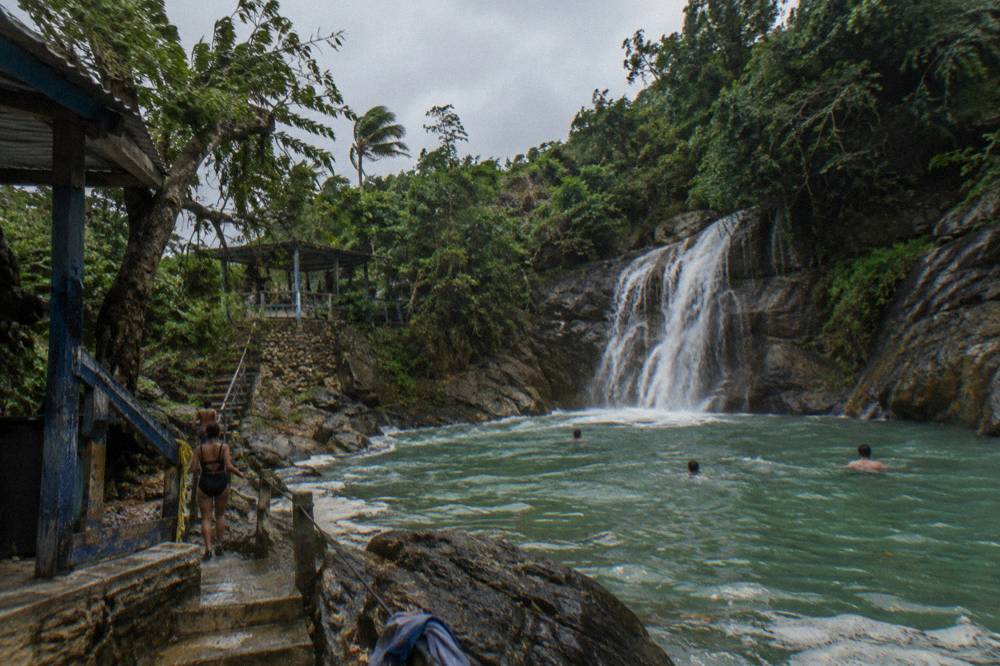
Counting the gate, gear extras and a tour, budget roughly US$11 to 21 per person at the gate for entry alone, cash only, or from $44 to $130.50 per person for organized tours with transport, guide and, on most listings, lunch. Lockers and shoe rental cost a few dollars extra, paid on arrival, and tipping the guides is customary.
The gate fee sounds small next to the tours, and it is, but the entry is only the start of an independent visit. It covers the mandatory certified guide, helmet and life jacket. It does not cover food, dry storage or footwear, and the gate takes cash in pesos or dollars, no cards. Independent visitors also carry their own transport costs and the timing risk of arriving to find a mid-morning queue.
| Cost item | Planning figure | Basis |
|---|---|---|
| Gate entry, 7 waterfalls | about RD$600, roughly US$11 | cash only, approximate |
| Gate entry, 27 waterfalls | about RD$1,200, roughly US$21 | cash only, approximate |
| Organized tours, roster range | from $44 to $130.50 per person | current listings, inclusions vary |
| Hotel-pickup mid-range tours | from $55 to $80 per person | most listings include lunch |
| Lockers and water-shoe rental | a few dollars extra | pay on arrival, no published set price |
Tours change the arithmetic by absorbing the frictions. The most reviewed cruise-port listing, the Damajagua 7 Waterfalls excursion from Amber Cove and Taino Bay, runs from $44 per person, 4.8 from 617 reviews, with port pickup, lunch, entry admission and even a mamajuana shot on the bus listed among its inclusions. At the other end, the 7 Waterfalls Tour with Lunch from the ports, from $60 per person, 4.8 from 197 reviews, lists tickets, life jackets, helmets, entry, lunch and drinks. Details on what any single listing includes come from its own page; where a roster line says entry inclusion is not stated, ask before booking rather than assuming.
A full cost breakdown of the gate, cash and tipping questions sits in the tickets and entrance fee guide and the dollars versus pesos post. The short version for itinerary math: budget the tour price, plus a few dollars on site, plus gratuity.
Who The Waterfalls Suit, And Who Should Skip Them
Damajagua suits confident water-goers in reasonable shape, aged 8 and up for the first seven falls and 12 and up for the longer circuits, under park rules travelers should confirm with their tour. It does not suit travelers with heart conditions, recent surgery, back injuries or pregnancy, and wheelchairs cannot use the trail. Non-swimmers manage with the mandatory life jacket but must be comfortable in deep water.
The fitness question is often underestimated. Every circuit begins with a 30 to 60 minute uphill walk through forest on uneven ground, and the descent involves walking on wet rock, not just floating. The first seven falls are the moderate option, about 2.5 to 3 hours inside the canyon; the full 27 is typically four to five hours and the park treats it as a serious outing. The difficulty and fitness guide and the non-swimmers post cover the honest middle ground.
Families should read the age rules as a floor, not a promise. An eight-year-old who is nervous in water will not enjoy the seventh slide even if the rules allow it, and guides will not force a descent: the guide explains which jumps and slides are optional, and some operators offer a gentler route around them. Ask the operator about height and weight limits when booking, since those sit with each tour, not the park's published gate rules.
For travelers who match the profile, the payoff is the kind of day that anchors a whole trip's memory. Describing a canyon you slid through, jumped into and climbed out of beats describing a beach chair, which is the quiet reason Damajagua earns its place on a country-level list despite being one of the harder half-days of logistics on the island. The reviews round-up gathers what past visitors actually said.
However long your shortlist already is, these two waterfall days cover the main formats and budgets:
Common Questions About The Top Things To Do In The Dominican Republic
What Are The Top Things To Do In The Dominican Republic?
The consistent shortlist: the 27 Waterfalls of Damajagua near Puerto Plata, the beaches of Sosua and Cabarete, the historic center and Fortaleza San Felipe of Puerto Plata, whale watching at Samana in season, and the resort coast of Punta Cana. The waterfalls are the standout active day and the easiest to book as a guided tour.
What Are The Top 10 Things To Do In The Dominican Republic?
In no strict order: the 27 Waterfalls of Damajagua, Playa Dorada, Sosua beach, Cabarete kite beach, Fortaleza San Felipe, Ocean World at Cofresi, whale watching at Samana between roughly January and March, the colonial zone of Santo Domingo, El Limon waterfall, and a cocoa or coffee plantation tasting on the north coast. Half of that list sits within day-trip range of Puerto Plata.
Can You Do The Waterfalls Without A Tour?
Yes. Independent visitors arrive at the gate near Imbert, pay roughly US$11 to 21 cash depending on the circuit, and the mandatory certified guide, helmet and life jacket come with entry. You still need your own transport, and the without-a-tour post weighs whether the savings are worth the logistics.
Is The Dominican Republic Good For A One-Base Trip?
The north coast is. Puerto Plata puts the waterfalls, a fortress, a marine park and two very different beach towns inside one day-trip radius. Punta Cana, by contrast, is about five hours of driving from the canyon, so a single-base trip there means choosing resort life over the waterfall day.
When Should You Not Visit The Waterfalls?
Late September and October carry the highest closure risk, when the tropical-storm season peaks and the river can run brown after mountain rain. The park closes upper falls first and reopens typically within 12 to 24 hours of rain stopping, so a flexible traveler can still go; a fixed-date traveler should prefer December to April.
What Should You Bring For A Waterfall Day?
Closed water shoes or old trainers with grip, cash for the gate and extras, a dry change of clothes, and only cameras that strap on securely. Flip-flops are not allowed in the water, and anything loose in pockets tends to be lost in the pools. Lockers and shoe rental cost a few dollars extra, paid on arrival.